The application deadline for the September 2025 intake at Northumbria University is 6 August 2025, with the deposit due by 13 August and the CAS issued by 20 August.
Northumbria University, located in Newcastle upon Tyne, is a well-known research-intensive public institution with global academic excellence. In the QS World University Rankings 2025, it is ranked 535th globally and holds 82nd in northern Europe.
Northumbria University admissions serve a diverse community of about 37,000 students, including approximately 6,300 international students from over 130 countries. The university offers more than 500 undergraduate and postgraduate courses. These are spread across four main faculties: Arts, Design and Social Sciences; Business and Law; Engineering and Environment; and Health and Life Sciences.
For students planning to study in UK, Northumbria offers a diverse international community and strong academic programs.
Below is a snapshot of essential details you should know before takingadmission to Northumbria University.
Planning to take admission in Northumbria University, but not sure how? Book a free one-on-one counselling session with upGrad experts to get personalised advice on the admission process.
Now that you have a strong foundation of what Northumbria University offers, it’s time to review how it performs in global rankings.
Northumbria University's Fees
Northumbria University’s tuition fees vary by program and level, reflecting the specialized nature of each course. Undergraduate international fees generally range from around £9,535 to £20,950 (INR 20L-26L) per year, depending on the subject, while postgraduate fees can be between £12,000 (INR 13.5L) and £38,700(INR 49.5L)annually.
Below is the table with program-wise tuition fees to help you choose the course that aligns with your career goals and budget.
Fees may vary depending on the specialization. Please refer to the official University website for the most up-to-date information.
The currency conversions are based on the current exchange rate.
Now, let's explore the admissions process for 2025 to help you prepare your application effectively.
Accommodation
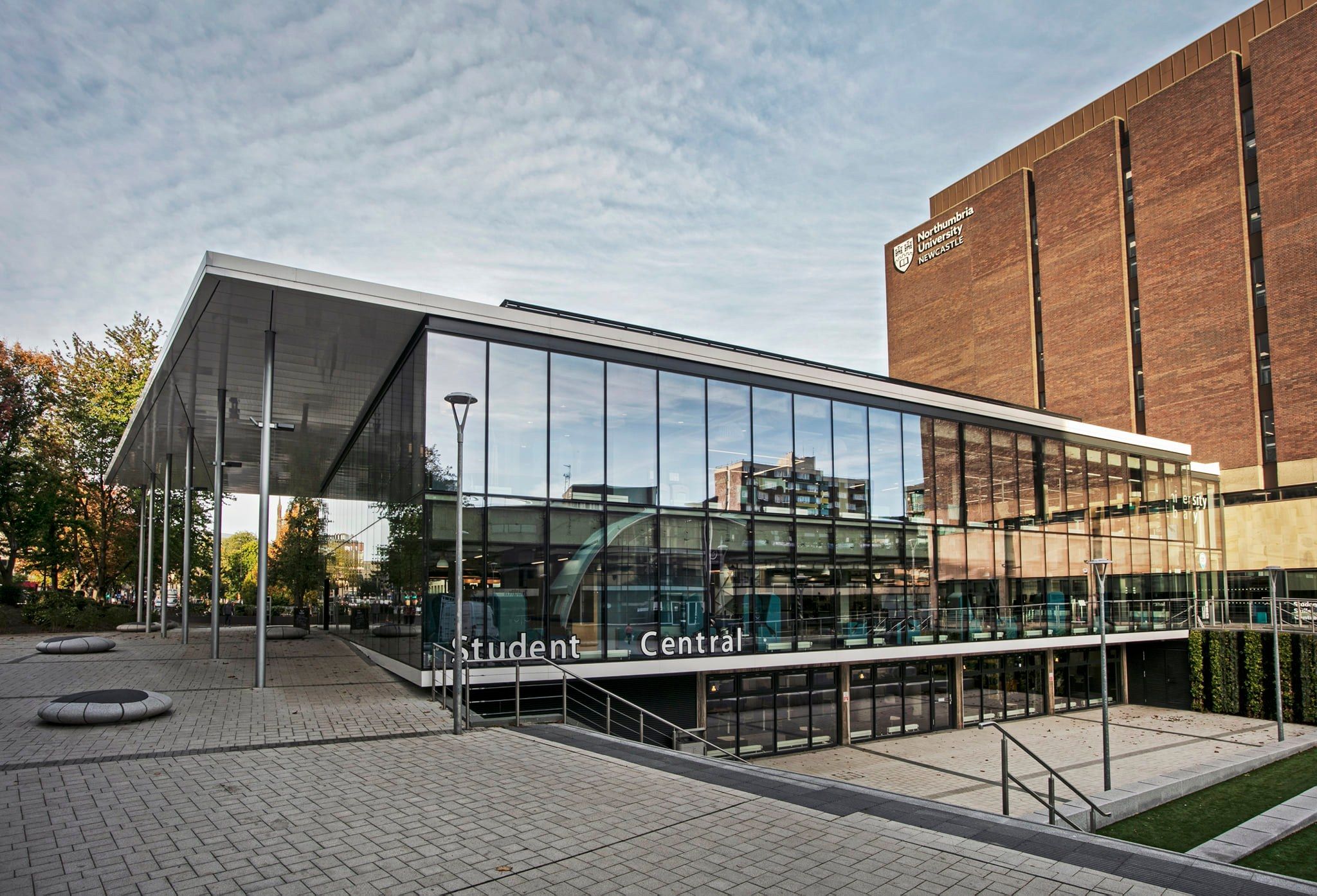
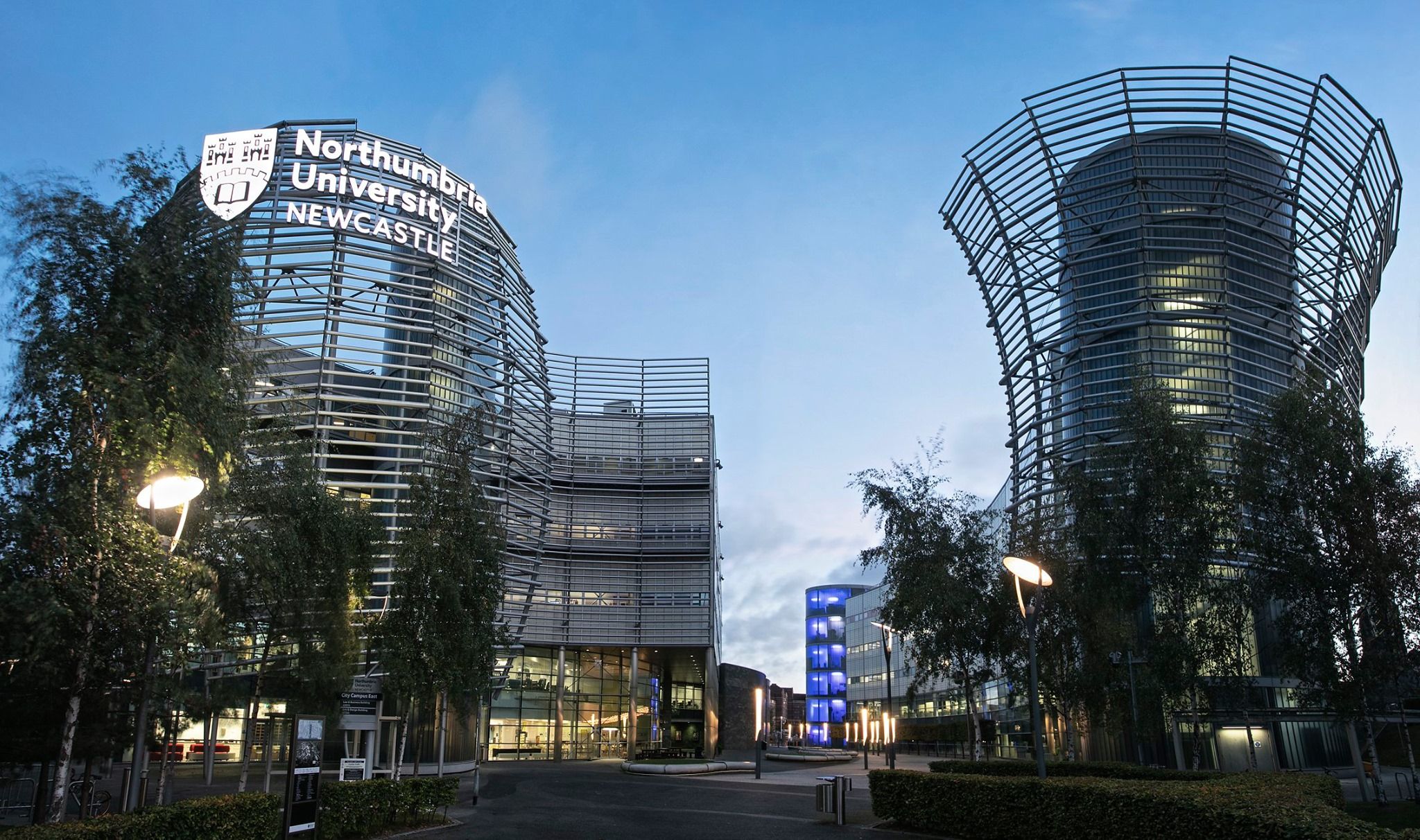
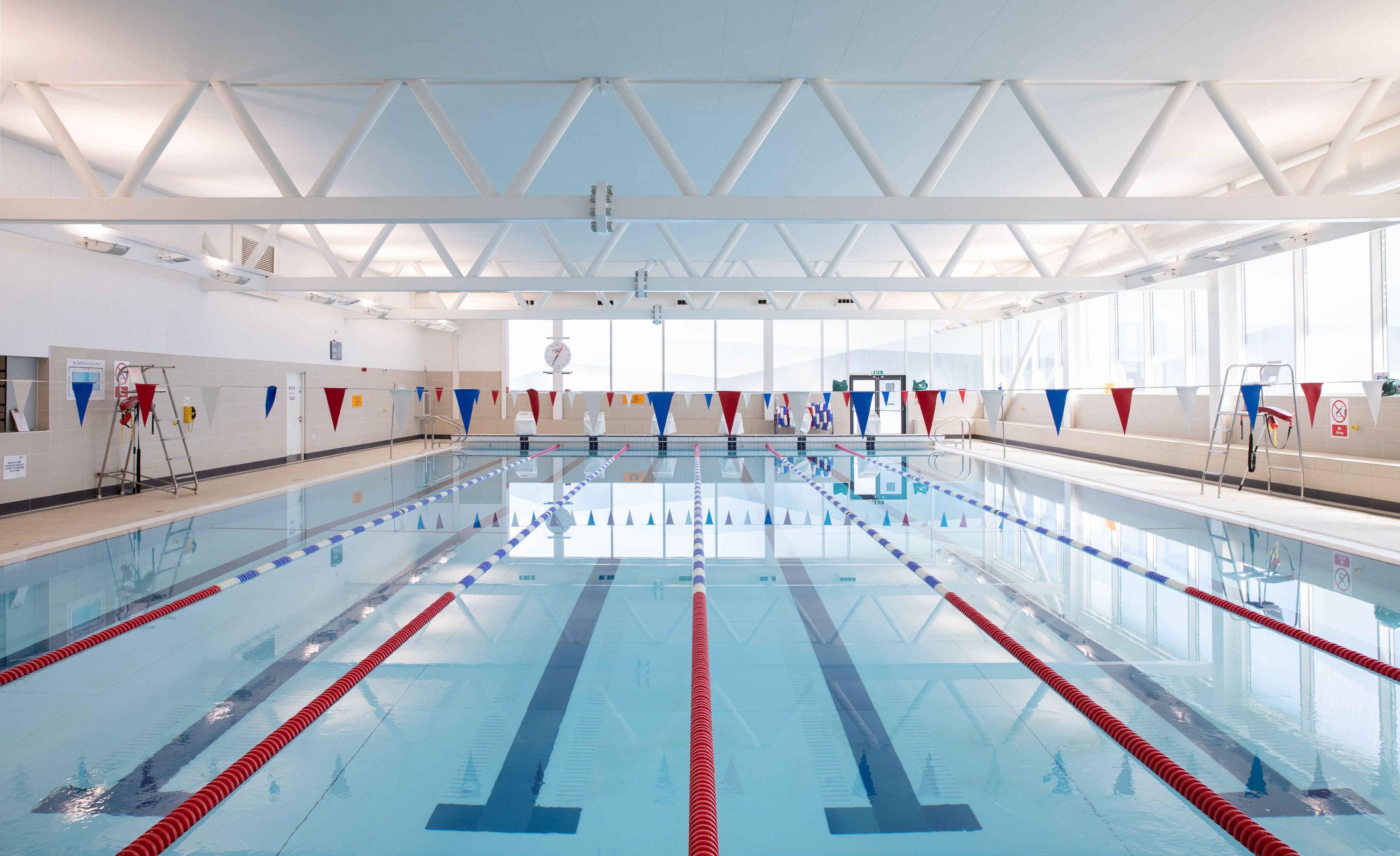
The campus of Northumbria University is split across three towns and four different locations. The university has two campuses—City Campus and Coach Lane Campus—in its Newcastle upon Tyne estate. Additionally, two more recent campuses of Northumbria University are located in London and Amsterdam. Over the past few years, the institution has invested more than 250 million pounds in improving its campuses. With high-speed internet, the student hub is furnished with 100 PCs and 15 Apple Macs. Additionally, the City Campus features a sports center with a variety of athletic gear.
The following table shows the per week cost of the NU residences available for student accommodation.
Residence
Cost (£) per week
Stephenson
94.19
Glenamara
106.96
Claude Gibb- Catered
139.02
Quay Point
Unavailable
Byron Central
Unavailable
Winn
143.78
Trinity Square
142.03
New Bridge
Unavailable
Camden Court
158.31
Scholarship
Northumbria University offers 200+ scholarships, including fully funded scholarships to support international and UK students across undergraduate and postgraduate levels.
Northumbria University also offers the Northumbria UK International Scholarship, awarding Postgraduate Taught (PGT) students joining in September 2025 or January 2026 a £3,000 (INR 3.39L) tuition fee discount simply for choosing to study there.
Here are some internal and external scholarships available at the university:
Internal Scholarships
Northumbria offers a range of internal scholarships based on academic merit and financial need. For instance, the Northumbria International Scholarship and the Alumni Discount both provide tuition fee reductions to eligible students.
Go through the table below to find specific scholarships you may qualify for based on your course and study mode.
Scholarship Name
Type of Scholarship
Benefits and Eligibility
Northumbria International Scholarship (UG & PGT)
Merit-based
Benefits: £1,000 to £4,000 (INR 1.13L- 4.53L) fee discount for full-time international undergraduate and postgraduate taught students.
Eligibility: It depends on fee status, domicile, self-funded status, and course.
Alumni Discount
Merit-based
Benefits: 20% tuition fee discount for continuing or former Northumbria students enrolling in postgraduate courses.
Eligibility: Applies to full and part-time students, including PGCE.
Northumbria UK International Scholarship (PGT UK students)
Merit-based
Benefits: £3,000 (INR 3.39L) fee discount for postgraduate taught students currently studying a Level 6 undergraduate degree.
Eligibility: Must be self-funded and meet course requirements.
Postgraduate Sanctuary Scholarship
Need-based
£500 (INR 56K) tuition fee discount for students who pay their deposit before 31 May 2025.
Besides internal scholarships, external bodies also provide funding. These external scholarships can also be used to study at Northumbria University.
External Scholarships
Several high-value external scholarships are available for international students enrolling at Northumbria University. TheChevening Scholarship, funded by the UK government, covers full tuition and includes allowances for travel and living.
Check the table below to explore external scholarships that align with your course and nationality.
Scholarship
Type
Details
Chevening Scholarship
Government-funded
Eligibility: International students with at least two years of work experience, applying for a one-year master's degree in the UK.
Benefits: Full tuition fees, monthly living allowance, travel costs, and visa fees.
Eligibility: Citizens of Commonwealth countries applying for master's or PhD studies in the UK.
Benefits: Full tuition fees, airfare, and living allowance.
Marshall Scholarship
Government-funded
Eligibility: US citizens with a strong academic record applying for UK graduate study.
Benefits: Full tuition fees, living stipend, travel expenses, and book grants.
Once your funding is in place, it's important to explore post-graduation work opportunities. Let's now take a look at placements and employment outcomes at Northumbria University.
Northumbria University's Admission
Northumbria University, hosting over 30,000 students from 140+ countries, offers admissions to more than 500+ undergraduate and postgraduate courses. The acceptance rate ranges between 63-85%, reflecting a competitive but accessible admission process.
Prospective students aiming for the September 2025 intake should be mindful of application deadlines and specific program requirements to ensure timely processing.
Start by understanding the core admission requirements. These include academic scores, language test scores, and qualifying exams for specific programs.
Admission Requirements
For international students applying to Northumbria University, typical requirements include a minimum of 65% in Class XII (CBSE/ICSE) for undergraduate courses and a 55% bachelor's degree for postgraduate programs.
Additionally, depending on the course, English language proficiency tests like IELTS(6.0–7.0) or PTE(51–69) are mandatory.
Here’s a breakdown of the key requirements to study at Northumbria University:
Academic Qualification
Northumbria University requires international applicants to meet specific academic benchmarks based on their level of study. For undergraduate admission, a minimum of 65% in Class XII (CBSE/ISC or equivalent) is generally required, while postgraduate applicants need at least 55% in their bachelor's degree.
Below is the table with detailed academic requirements:
Criteria
Details
Academic Requirements
Postgraduate: Bachelor’s degree with at least 55% marks
Undergraduate: Completion of Class XII (CBSE/ISC or equivalent) with a minimum of 65%
English language proficiency is a mandatory requirement for all international applicants whose first language is not English. Northumbria University sets specific minimum scores for tests like IELTS (6.0–7.0) or PTE (51–69).
However, the university has set higher requirements for health and nursing programs to ensure students can meet academic and professional communication standards.
The table below outlines accepted qualifications and minimum undergraduate and postgraduate entry scores.
Criteria
Minimum Score
IELTS
PG: 6.5
UG: 6.0
PTE Academic
PG: 62
UG: 51
IELTS (Health & Nursing )
7.0
PTE Academic (Health & Nursing )
69
Competitive Exams
While Northumbria University primarily relies on academic qualifications and language proficiency, some courses may require additional tests or interviews, particularly in law or healthcare courses.
Check the table below to find which exams are needed for admission to Northumbria University:
Required for most UG courses; a personal statement and references are needed
Interview/Portfolio
Selected courses (Design, Law)
Interview or portfolio submission; assessed on creativity, skills, or motivation
Situational Judgment Test (SJT)
Nursing and Midwifery
Performance assessed during interview and suitability checks.
Professional Skills Tests
Education (Primary Teaching)
Pass in Maths and English equivalency (GCSE Grade 4/C or equivalent); interview required.
LNAT (Law National Aptitude Test)
Law (some courses)
Minimum score varies; competitive applicants typically score above 20/42
Visa Requirements
International students must obtain a valid Student visa for UK, providing proof of acceptance (CAS), financial means, and English proficiency. Visa application timelines align with university deposit and CAS deadlines.
Check the table below to make sure you gather every document required before starting your visa process.
Requirement
Details
Valid Passport
Must be valid for the duration of your stay in the UK.
Issued after deposit payment and unconditional offer; must be requested by 20 August 2025
Financial Proof
Evidence of sufficient funds to cover tuition fees and living expenses.
Immigration Health Surcharge
Paid as part of the visa application to access NHS healthcare during the stay
English Language Test Scores
Evidence of meeting the University's English language requirements.
Passport-sized Photograph
A recent photograph meeting UK visa photo requirements.
Once your visa preparation is sorted, the next thing is to track the application calendar. You need to apply well in advance, based on your preferred intake, to avoid missing deadlines.
Let’s discover the admission intakes and application deadlines for students.
Application Dates and Intake
International students applying to Northumbria University for the September 2025 intake should submit their applications by 6 August 2025 to ensure full consideration. CAS requests must be made by 20 August 2025 to allow sufficient time for visa processing.
Check the table below to find the correct intake and last application date for your selected course.
Once you know the admission details, you should calculate the course fees and additionalcosts of living at Northumbria University. Let’s now look at the estimated living expenses during your study.
Northumbria University's Ranking
Northumbria University holds a strong position in various global and national rankings for 2024/25, with some opportunities for free education in the UK for eligible students. According to the QS World University Rankings 2025, Northumbria is ranked #535 globally, showing consistent improvement over recent years.
The Times Higher Education (THE) World University Rankings 2025 places it within the 401–500 bracket worldwide, maintaining a stable presence among leading universities.
Moreover, University rankings in UK provide valuable insight into an institution's academic quality, research impact, and global reputation.
Look through the table below to understand how Northumbria University's ranking has shifted in recent years.
Not sure if Northumbria University is the right fit for your higher studies? Check out the Northumbria University Rankings 2025 to see how it compares globally and within your field!
Let's now discover the top subjects in which Northumbria University consistently earns high global rankings.
Top Course-wise Ranking 2024/25
Northumbria University excels in several subject areas, with notable course-wise rankings reflecting its academic strengths. According to QS and Times Higher Education (THE), its Art & Design program ranks among the top 150 globally, while Law and Legal courses consistently place within the top 400 worldwide.
Here’s a list of Northumbria University’s subject-specific rankings showcasing how top disciplines at the University rank globally in 2025.
Now let’s take a closer look at where you’ll be studying at Northumbria University. The next section explores all the campuses of the institution.
Northumbria University Campuses
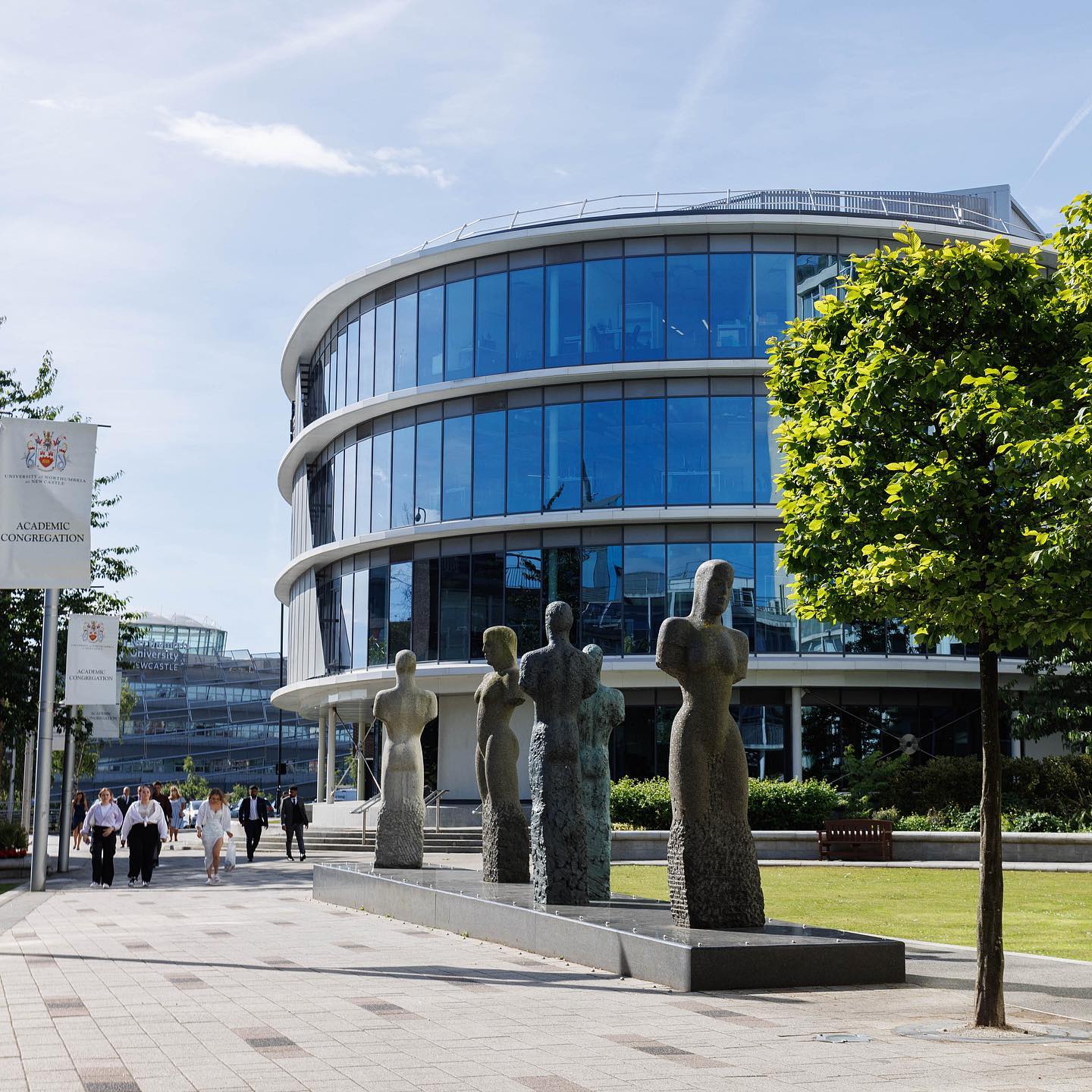
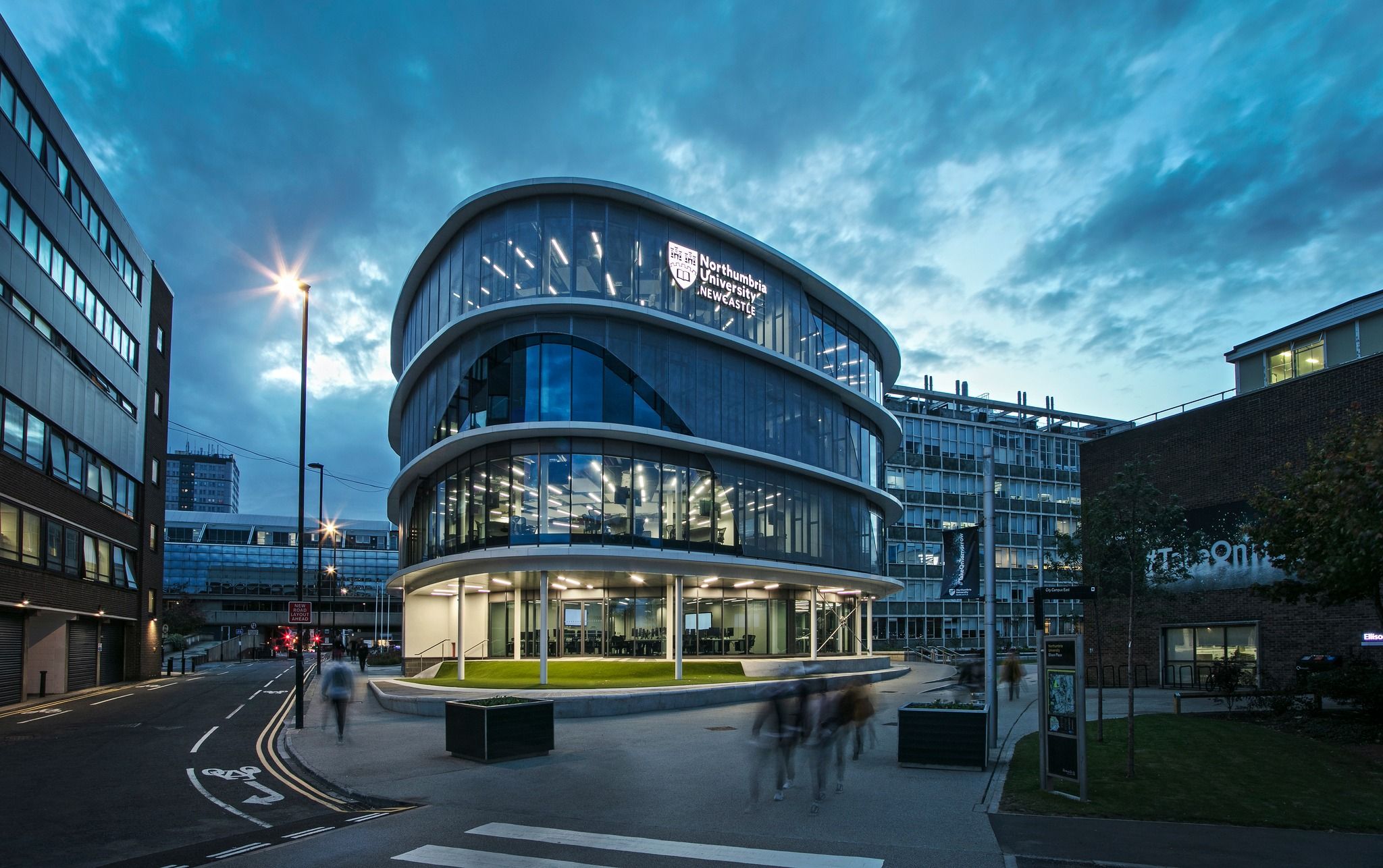
Northumbria University operates four main campuses: two inNewcastle(City Campus and Coach Lane Campus), one in London, and a newer international campus in Amsterdam.
These campuses collectively serve over 35,000 students from around 85 countries, providing modern facilities and award-winning learning environments. Studying at Northumbria offers a chance to experience the UK education system, known for its high academic standards and practical approach to learning.Here is the detailed overview of these campuses:
1. Newcastle City Campus
Award-Winning Design & Sustainability: Known for its architectural excellence and sustainable features, the campus has won over 20 design and sustainability awards.
Student & Staff Capacity: Hosts up to 9,000 students and staff.
Key Schools: Home to schools like Law, Design, Business, Engineering, and Life Sciences.
Sport Central: A £31 million sports facility supporting a lively campus life, enhancing both academic and extracurricular experiences.
2. Coach Lane Campus
Focus on Health & Life Sciences: Primarily dedicated to students in Nursing and Midwifery. It features a state-of-the-art clinical skills centre with advanced simulated mannequins (SimMan and SimBaby) for practical training.
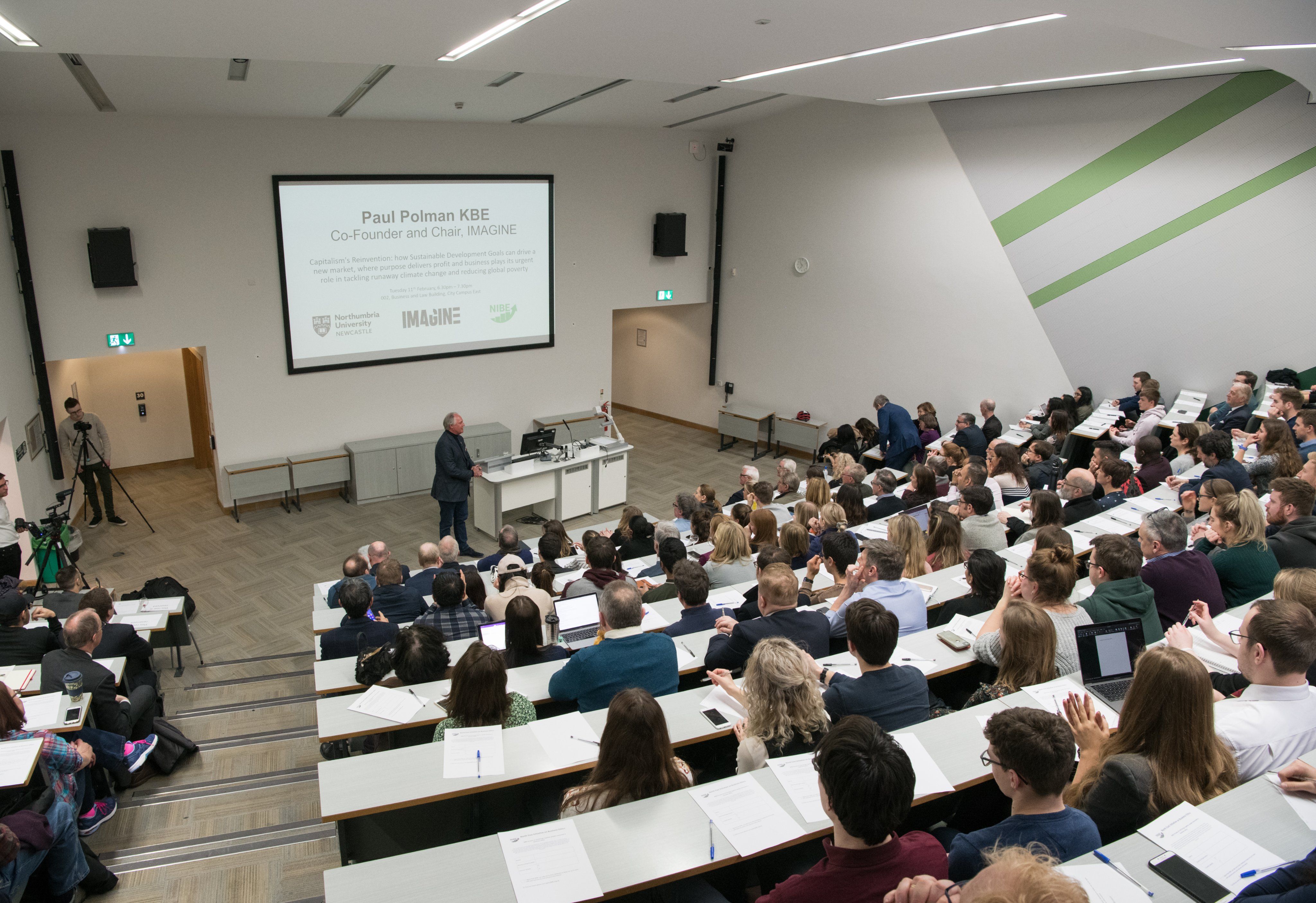
Modern Facilities: Includes a 190-seat lecture theatre, flexible event spaces for up to 200 people, and AV-enabled rooms for interactive learning.
Partnership with QA Higher Education: Partnership integrates professional skills development and work-based learning, offering career support and access to internships.
Student Community: Hosts around 2,500 students from 90 countries, providing a rich urban learning environment with modern facilities.
4. Amsterdam Campus
Newest Addition: The Amsterdam Campus expands Northumbria’s global presence.
Cultural & International Opportunities: Offers select programs, providing students with opportunities for international collaboration and cultural exchange in a multicultural European city.
What undergraduate and postgraduate courses are most popular at Northumbria University?
Popular undergraduate courses at Northumbria University include Business Management, Computer Science, and Architecture. For postgraduate studies, degrees in Project Management, International Business, and Human Resource Management attract significant interest.
Are Northumbria's degrees recognised by professional bodies in the UK and abroad
Yes, Northumbria's degrees are accredited by various professional bodies. For instance, their Business courses are accredited by the Chartered Management Institute (CMI), while the Architecture courses are recognised by the Royal Institute of British Architects (RIBA).
What job placement or internship opportunities does Northumbria provide during and after studies?
Northumbria offers strong employability support, including work placements, internships, and opportunities for students to work with industry partners. The university has a dedicated careers service, and over 90% of graduates are employed or in further study within six months of graduation.
How is Northumbria University ranked globally and in the UK for specific subjects?
Northumbria University is ranked among the top 50 universities in the UK. For specific subjects, it is highly regarded in Business (ranked in the top 25 by The Complete University Guide) and Art & Design.
What are the key facilities at Northumbria's Newcastle and London campuses?
Northumbria’s Newcastle campus boasts state-of-the-art facilities, including a purpose-built Business School, the Law School, and a £30 million sports facility. The London campus offers a range of business-focused programs with strong industry links and access to London's financial hub.
What kind of academic and well-being support can international students access at Northumbria University?
International students at Northumbria receive academic support through workshops and tutoring. Wellbeing services include counselling, mental health support, and a dedicated international student team to help with personal and cultural adjustment.
What are the entry requirements and application tips for Indian students applying to Northumbria?
Indian students typically need a minimum of 50% in their undergraduate degree to apply for postgraduate courses. For undergraduate courses, a high school diploma with 70% or above is generally required. It is also important to meet the English language requirements, such as an IELTS score of 6.0.
Does Northumbria University offer pre-sessional English or foundation programs?
Yes, Northumbria offers a Pre-sessional English course for students who need to improve their language skills before starting their degree. Additionally, foundation programs are available in subjects such as Business, Engineering, and Design.
How competitive is admission at Northumbria University, and what is the acceptance rate?
Northumbria University has a competitive admission process, especially for popular courses like Business and Law. The acceptance rate varies by course but is generally around 63-85.5%.
What are the living costs and accommodation options near the Newcastle campus?
Living costs in Newcastle are estimated to be around £12,000-£14,000 per year (INR 10.6 L to 12.4 L). Northumbria University offers a range of on-campus and off-campus accommodation, with prices ranging from £90 to £200 per week (INR 8,000 to 17,800 per week).
What are the minimum IELTS or TOEFL scores needed for Northumbria University?
The minimum IELTS score required for most programs at Northumbria University is 6.0, with no band below 5.5. For TOEFL, the minimum score is typically 80. Some courses may have higher requirements.
All information provided on this page is for general use and upGrad Abroad is not responsible for any errors or omissions. The Universities involved in this Program are accredited/recognized in the countries where they are established. Relevant terms and conditions apply.Any action taken upon the information found on this website is strictly at your own risk.

 GPA CALCULATOR
 EXPENSE CALCULATOR
 Ielts band calculator
 Education Loan Calculator
 University partner
 ACCOMMODATION
 experience-center
 our offices